- 7760428524
- Tue to Fri: 11:00AM - 8:00PM | Mon & Sat 11:00 AM to 5:00 PM | Sunday Closed


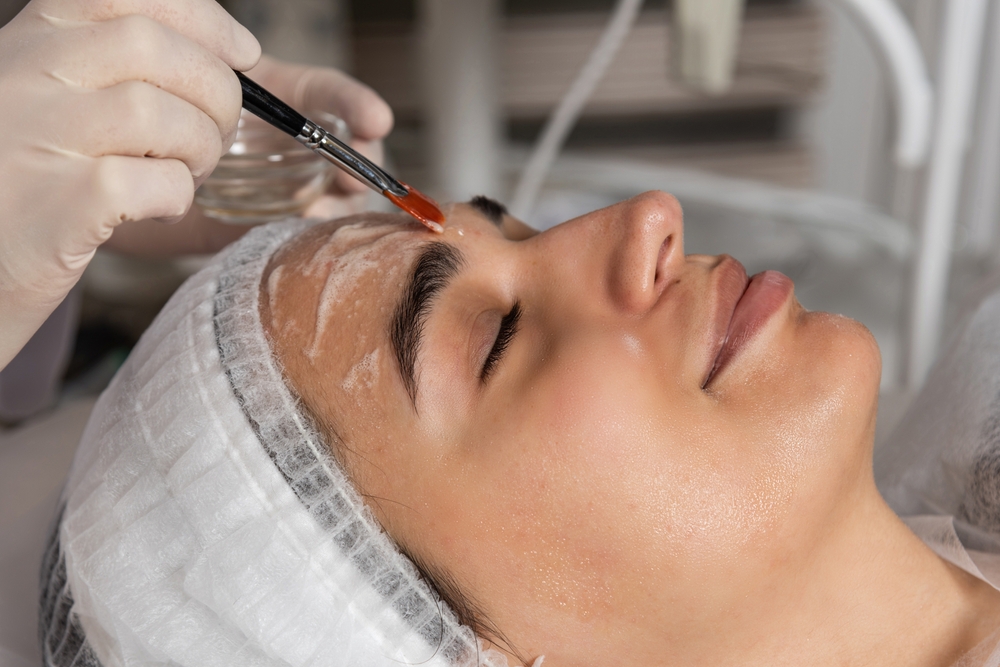
A chemical peel is a cosmetic procedure that involves the application of a chemical solution to the skin to exfoliate and eventually peel off the top layers. The goal is to improve the appearance of the skin on the face, neck, or hands. Chemical peels come in different strengths and types, ranging from superficial peels that target the outer layer of skin to deeper peels that penetrate more deeply.
Chemical peels remove the outer layers of dead skin cells, promoting cell turnover and revealing fresher, smoother skin underneath.
By removing dead skin cells, chemical peels can help improve skin texture, making it softer and more even.
Chemical peels can diminish the appearance of fine lines and wrinkles, especially in the case of medium and deep peels.
Chemical peels can lighten areas of hyperpigmentation, including sunspots, age spots, and melasma.
Chemical peels can be effective in treating acne and reducing the appearance of acne scars by exfoliating the skin and promoting collagen production.
The exfoliation caused by chemical peels can stimulate the production of collagen, leading to improved skin elasticity and firmness.
Chemical peels can be tailored to address specific skin concerns, and the intensity of the peel can be adjusted based on the desired outcome and the individual's skin type.
Chemical peels can help reduce the appearance of enlarged pores by removing debris and excess oil.